Daily Construction Report: What is it and Why is it Important?
A Daily Construction Report is a crucial document in the construction industry, as it serves as a detailed record of the daily activities on a construction site.
This report documents everything from the progress of work, weather conditions, and the number of workers on site, to the equipment used and any issues that arose during the day. It acts as a vital communication tool between contractors, project managers, and clients, ensuring that everyone is informed about the project’s progress.
 The importance of a Daily Construction Report lies not just in its ability to provide a historical record of the project but also in its role in maintaining transparency and accountability. By having a comprehensive and accurate daily log, potential disputes can be avoided, and issues can be addressed promptly, leading to smoother project execution.
What are the key elements of a Daily Construction Report?
A well-prepared Daily Construction Report should include several key pieces of information to ensure it is both comprehensive and useful:
- Project Information: Basic details such as the project name, location, and date.
- Weather Conditions: A record of the weather, as it can significantly impact the progress of construction activities.
- Work Performed: A detailed description of the tasks completed during the day, including any milestones achieved.
- Personnel on Site: A log of the workers present, including subcontractors, and any notable absences.
- Equipment and Materials: A list of equipment used and materials delivered or utilized during the day.
- Issues and Delays: Documentation of any problems encountered, such as delays, safety incidents, or material shortages.
- Signatures: Signatures from the project manager or site supervisor to validate the report’s accuracy.
How can you ensure that your Daily Construction Report is thorough and accurate?
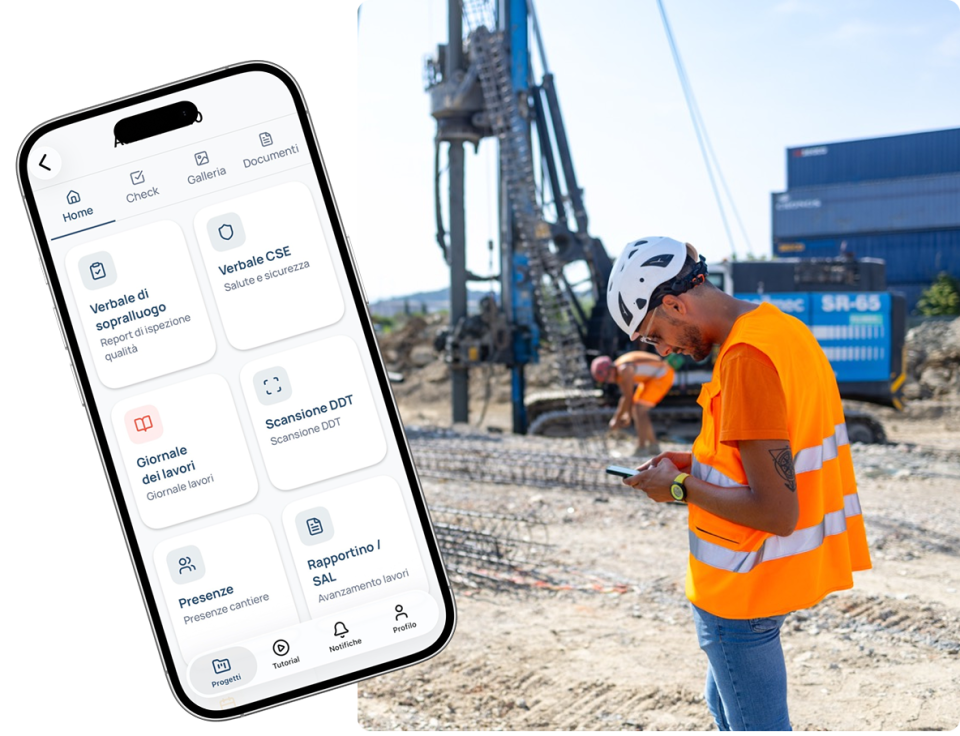
To ensure that your Daily Construction Report is thorough, it’s important to be consistent and detailed in your entries. Using digital tools like myAEDES can significantly simplify this process.
With myAEDES, you can easily create and store these reports, add photos and notes, and share them with all stakeholders in real-time. This digital approach not only reduces the risk of errors or omissions but also streamlines communication and document management across the project.
Daily Construction Report: How to Manage it with myAEDES?
How does myAEDES facilitate the creation and management of Daily Construction Reports?
Using myAEDES to manage your Daily Construction Reports offers numerous advantages. The platform allows you to generate reports in digital format, directly incorporating photos, notes, and electronic signatures. This not only speeds up the reporting process but also minimizes the risk of inaccuracies.
Moreover, myAEDES enables you to store the Daily Construction Reports alongside other related documents, such as progress reports, inspection logs, and safety checklists. All these documents can be easily accessed and shared with your team, ensuring transparent communication and effective project management.
What other documents can be managed with myAEDES?
In addition to the Daily Construction Report, myAEDES provides tools for managing a wide range of construction documents. These include progress reports, inspection logs, and safety report.
The platform allows you to access these documents from any device—whether it’s a smartphone, tablet, or computer—offering total flexibility in managing your construction project.
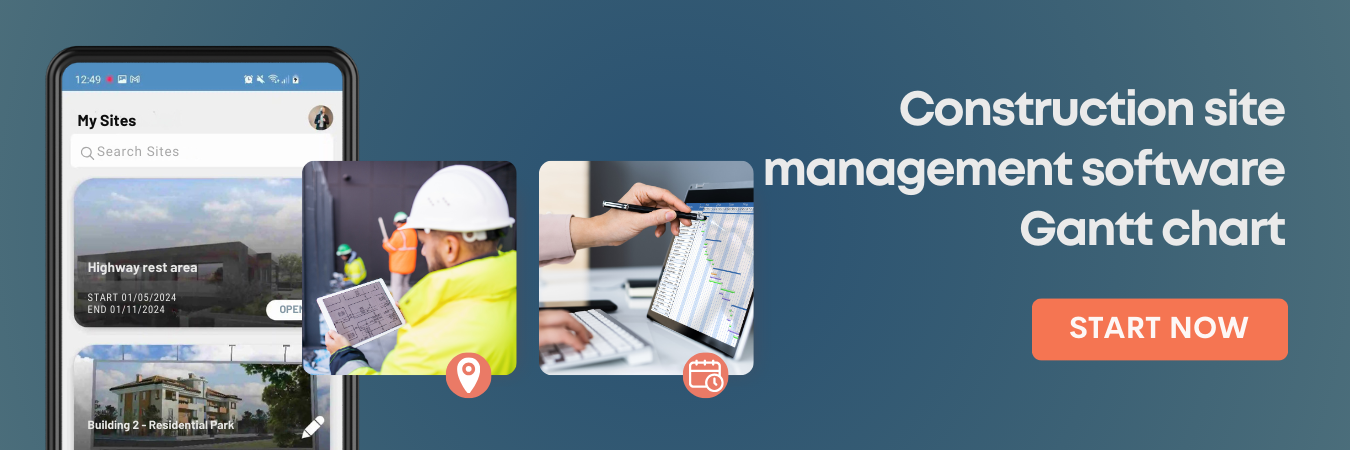
Furthermore, myAEDES supports real-time document sharing, improving collaboration across your team. The shared calendar feature enables you to assign and monitor ongoing tasks, while the file manager and scheduling tools help you keep track of project progress and site management.
In conclusion, managing your Daily Construction Report with myAEDES not only streamlines document organization and accessibility but also enhances the overall efficiency and safety of your construction processes.
The ability to export data in PDF or Excel formats also makes it easy to share information with consultants, ensuring transparent and professional management of every project phase.